Why Do I Keep Getting UTIs During Menopause? Can Vaginal Estrogen Help?
Nov 16, 2026
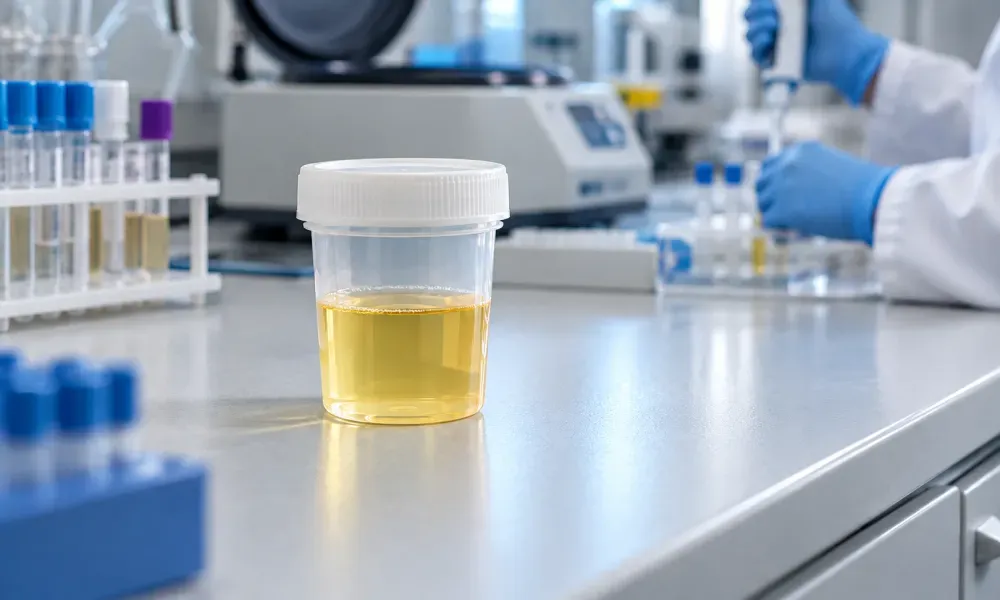
If you seem to get a urinary tract infection every few months, you may be wondering: Why is this happening now? Perhaps antibiotics help, only for the burning and urgency to return. Or perhaps you have all the familiar symptoms, but your urine culture comes back negative.
I hear both stories from women navigating perimenopause and menopause. The answer is not always another antibiotic. Changing estrogen levels can affect the vagina, vulva, urethra, and bladder, and sometimes more than one problem is happening at once. The key is to confirm when an infection is present, look for other causes of symptoms, and choose a prevention plan that fits your history.
Estrogen helps support the tissues surrounding the urinary tract and the vaginal environment. As estrogen declines, vaginal tissues may become drier and more fragile, and the community of protective vaginal bacteria may change. Those changes can make it easier for bacteria associated with UTIs to take hold in some women.
These effects are part of genitourinary syndrome of menopause, or GSM. GSM can begin during perimenopause and may cause vaginal dryness, discomfort with sex, burning, urinary urgency, and recurrent UTIs. You do not have to have hot flashes—or even obvious vaginal dryness—to notice urinary symptoms.
Menopause is not the only possible reason for repeated UTIs. Sexual activity, certain contraceptives, incomplete bladder emptying, stones, diabetes, and other conditions may also matter. An evaluation should look beyond your age alone.
A common clinical definition is two symptomatic UTIs within six months or three within one year. If that sounds familiar, bring the dates of your episodes and any urine culture results to your appointment. Those details help distinguish repeated infections from ongoing symptoms that have another cause.
A urine test matters, especially when symptoms keep returning. Burning and urgency can occur with a bacterial UTI, but they can also occur with GSM, vulvar irritation, pelvic floor problems, or other conditions. Treating every episode as an infection without checking can lead to repeated courses of antibiotics that may not address the underlying issue.
Yes. Lower-estrogen changes around the urethra and vaginal opening can cause burning, irritation, frequency, or urgency that feels like a UTI. A negative culture should prompt a closer look at the symptoms and examination findings rather than an assumption that the discomfort is imaginary.
It is also possible to have both GSM and a true UTI at different times. If symptoms are new, severe, or changing, contact a clinician for appropriate testing. Do not assume that every episode is “just menopause.”
For many women in perimenopause or after menopause, yes. The American Urological Association's 2025 recurrent UTI guideline recommends offering vaginal estrogen to women with recurrent UTIs when there is no contraindication. Vaginal estrogen treats the local tissue changes that can contribute to repeated infections; it does not treat an active bacterial UTI or replace antibiotics when an infection needs treatment.
Low-dose vaginal estrogen is available in several forms, including creams, tablets or inserts, and certain vaginal rings. The right option depends on your preferences, symptoms, medical history, cost, and how easy the product is for you to use consistently. This is a preventive strategy, so it may take time to see the full benefit.
If you also have vaginal dryness or painful intercourse, treating GSM may address several concerns at once. For more on those symptoms, read our article Painful Intercourse During Perimenopause and Menopause.
No. Low-dose vaginal estrogen is intended primarily to act on the vagina and nearby tissues, with much less whole-body exposure than systemic hormone therapy. Estradiol patches and pills are used for broader menopause symptoms, such as hot flashes. They are not interchangeable with low-dose vaginal estrogen for this purpose. A woman already using systemic hormone therapy may still benefit from a vaginal treatment if GSM or recurrent UTIs persist.
Treatment choices should reflect your personal medical history. If you have a history of breast cancer or another reason for special caution with estrogen, discuss the decision with your menopause clinician and, when appropriate, your oncology team. Do not start, stop, or substitute a hormone product based only on a headline.
There has been news about FDA labeling changes for menopausal hormone therapy. In February 2026, the FDA approved an initial set of updated labels, including a topical vaginal estrogen product. A labeling change does not mean every product or every patient's risks are identical. Product-specific labeling and individualized counseling still matter.
The right plan depends on whether you are having culture-confirmed infections, GSM symptoms, or both. Your clinician may discuss:
Hydration and avoiding products that irritate the vulva may help some women feel better, but no single hygiene tip substitutes for a diagnosis. If you are repeatedly told to “just drink more water” while infections or symptoms continue, it is reasonable to ask for a more complete evaluation.
Contact a healthcare professional promptly if you have fever, chills, flank or back pain, vomiting, visible blood in your urine, or symptoms that are worsening or do not improve with treatment. These findings may require a different evaluation. Any bleeding after menopause also deserves medical assessment and should not simply be attributed to a UTI or vaginal dryness.
At Menopause Solutions in Mount Pleasant, South Carolina, Rhonda Leach, DNP, WHNP-BC, MSCP, and I help women make sense of symptoms that are often grouped together as “another UTI.” We can review your symptom pattern, prior cultures, menopause symptoms, and treatment goals to identify what is actually happening and discuss an appropriate plan.
If you are still sorting out whether you are in the menopause transition, you may also find our guide to the signs of perimenopause helpful. If you have persistent vaginal or urinary symptoms, contact Menopause Solutions to discuss an appointment.
It can contribute. Hormonal changes may affect vaginal and urinary tissues before your periods stop completely. Frequent symptoms still deserve evaluation, including urine testing when an infection is suspected.
No. It may help prevent future UTIs in appropriate perimenopausal and postmenopausal women, but a current bacterial infection needs its own assessment and treatment.
Ask for an evaluation of other causes, including GSM, vulvar conditions, and pelvic floor problems. Your symptoms are real even when a standard urine culture does not show an infection.
Possibly. Systemic hormone therapy and low-dose vaginal estrogen serve different purposes. Your clinician can review your symptoms and determine whether local treatment would add benefit.
That decision requires an individualized discussion, especially if you are taking an aromatase inhibitor. Your menopause clinician can coordinate with your oncology team and discuss nonhormonal measures and the potential risks and benefits of local treatment.
Clinical sources for editorial review
